
I have a confession to make: It is normally my policy to attend classic car events in a classic, and for this year’s Goodwood Members’ Meeting (MM80) I had planned to drive down in my 1972 911T – but…
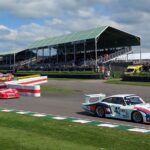
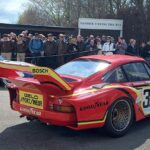
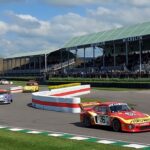
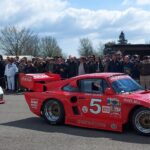
This year marks the 75th anniversary of one of motoring’s greatest marques, Porsche, and also 60 years since the introduction to the world of what for many – including me – is the definitive sports car, the 911, shown for the first time at the Frankfurt Motor Show in September 1963. Its silhouette is instantly recognisable, even today, after eight iterations and many variations within those eight, and it has an outstanding competition pedigree. The organisers at Goodwood had decided to mark these anniversaries with a special track celebration of the 911, and also created a Porsche Parking area, in which I had booked a space. To see so many racing versions of the 911 was just a joy, especially for a Porsche fan like me –
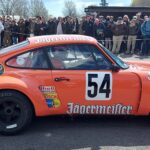
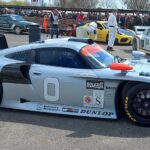
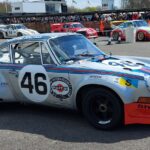
Unfortunately, weeks of wet weather, unseasonable even by English standards, with only the occasional dry spell had rendered some of the car parks – which are fields, basically – unusable, and two days before the event I received an email advising visitors not to bring their classics, so although I drove down to Capel where I was staying overnight with friends on Friday before going to the event the next morning, I took the organisers’ advice to heart and left the 911 in Capel. All this is a roundabout way to say my fellow enthusiast for the day drove to the circuit in…a Tesla. I know, I know….I’m sorry!
Anyway, on arrival on what was a chilly Saturday morning at 7.30 we headed to the Media Centre for a warming coffee and then set off on a wander around the paddocks. And it was unquestionably the right decision to not travel in the 911.
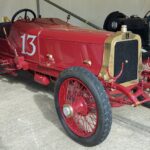
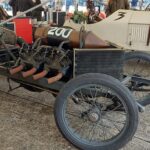
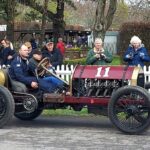
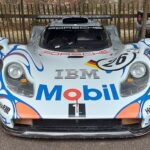
The Day One schedule was a combination of practice sessions and racing, with cars and drivers from every event getting track time. As usual, there was a huge range of historic racers from the oldest – a 1903 Mercedes 60hp racing in the S.F.Edge Trophy that also included the biggest, in terms of engine capacity; the utterly bonkers 1911 FIAT S76, all 28.3 fire-breathing litres of it – to the youngest, a youthful 2006 Corvette C6 GT1, though this was only taking part in a demonstration event for 21st century GT1 racers and of limited interest for this piece. Also as usual, there was far too much for me to be able to comprehensively cover everything in a single article, but I shall do my best to convey the sights and sounds of what is without fail a highlight of the classic year.
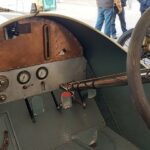
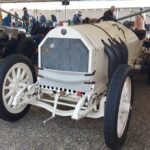
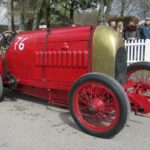
While pretty much every vehicle at the circuit appealed on some level, the period that is my own sweet spot is that from the late 1950’s through the ‘60’s and on to the end of the 1970’s, and these three decades were wonderfully represented both on the track and in the (usable) car parks.
Who can fail to be enthralled by the sight and sound of Ford GT40’s, Lotus-Ford’s and Chevrons and the rest at full throttle, battling for the Gurney Cup, for sports prototypes that raced between 1960 and ‘66? We caught this race, and the commitment shown by the drivers was total, with Dario Franchitti demonstrating just how committed he was when taking the chequered flag after a very eventful race.
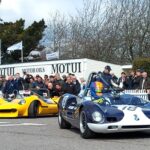
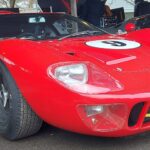
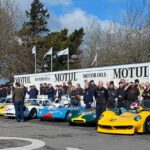
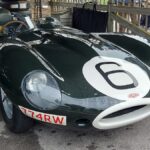
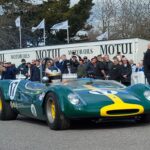
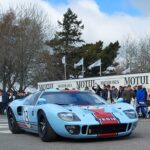
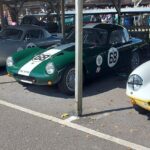
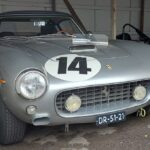
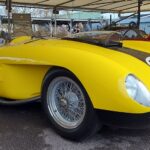
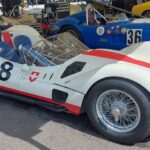
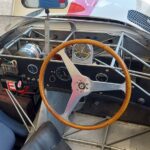
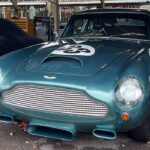
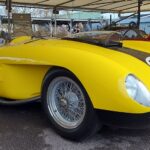
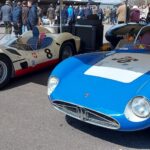
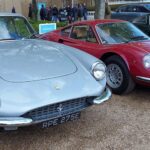
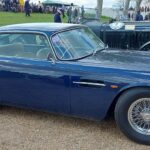
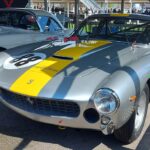
The Salvadori Cup featured one of my favourites from when I was a small boy, the 1960 Maserati Tipo 61 “Birdcage”, a car that looks wrong yet is somehow right, as well as Jaguar D-Types and a superb 1957 Ferrari 500 TRC. Elsewhere the Moss Trophy featured a gorgeous 1962 Ferrari 250GT Lusso, E-Types, Aston Martin DB4 GT’s and a gaggle of one of the prettiest cars of the era, the original Lotus Elite.
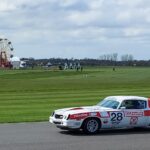
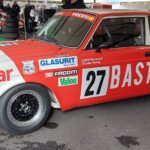
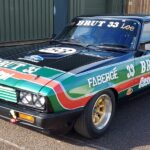
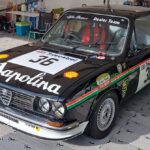
The three-race Gordon Spice Trophy was contested by big and small saloons and coupés such as Rover SD1’s, Ford Capri’s and Chevy Camaro’s going wheel-to-wheel, door-to-door. My favourite here was the 1973 BMW E3, a most unlikely race car (although probably no more so than the 1981 Volvo 242 Turbo) but it looked good on the track before the practice session for this class was cut short by a Camaro going off-piste. Among the smaller cars – below 2.8-litres – I was very taken with the 1978 Mazda RX-7 and Opel Commodore GS/E.
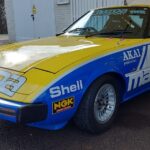
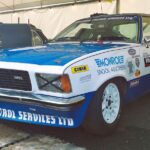
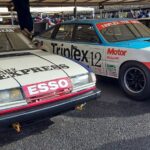
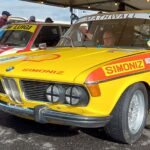
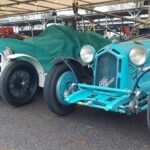
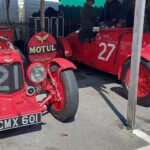
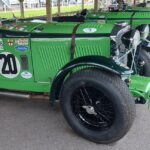
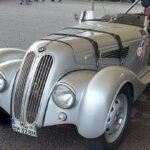
Outside these classes, I also loved the pre-WW2 Trofeo Nuvolari category, filled with fabulous Alfa Romeo 8C’s, Talbot Lago’s, BMW 328’s and more. These cars have such presence, even when stationary.
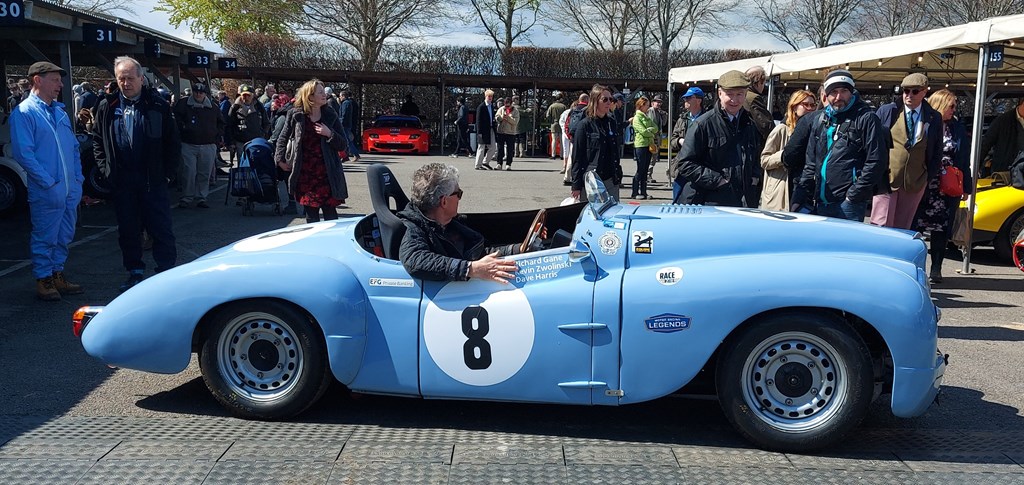
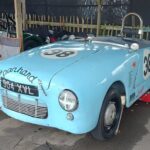
I was also tickled to see two cars that many people would never imagine as racing cars, but the diminutive 850cc Panhard Junior Roadster and the Jowett Jupiter roadster, which shared both body colour and year of manufacture – 1953 – had surprising competition histories. One of the latter won its class at Le Mans in 1952, while examples of the Panhard were campaigned all over Europe and the States.
Bonhams Auction house offered a wide range of lots with estimates from as low as four digits up to half a million pounds. Star cars for me – well, if I could pick any one car from the sale, it would have been the stunning RHD 1972 Porsche 911S in a wonderful shade of purple. With restoration bills for over £150k, this perfect classic 911 fetched an eye-watering £209,300, but god it was gorgeous…
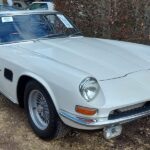
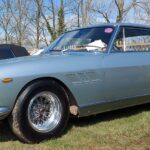
More reasonably priced, and nearly as lovely, was the lovely pale blue 1964 Maserati Mistral that found a new home for £86,250 including premium (against an estimate range of £80k to £120K) and it’s Frua-designed cousin, a white 1973 AC 428 Coupé – one of just 49 built – that achieved a price of £59,800 against an estimate range of £60 – 90k; I’d have been delighted with either, but especially the Mistral.
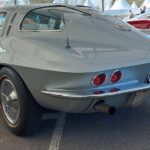
An example of my favourite Corvette, a silver 1963 split rear window Sting Ray coupé fetched a relatively meagre £78,200 (including 15% buyer’s premium) against estimates of £90-120k, hammer, one of many that didn’t even reach bottom estimate, let alone top. Recent auctions that I’ve looked in on have generally struggled to achieve their estimates – there are always exceptions, of course, but I do wonder if some of these valuations are to entice the seller, many of whom must surely be disappointed with their returns.
The most unusual lot on offer was the white 1971 Triumph Stag Fastback Prototype. Basically a regular Stag with a fastback grafted on, I’m not sure it’s an entirely successful exercise, and since the original car came with an equally functional and to my eyes, more aesthetically pleasing hardtop, I think it’s not hard to see why this remained a one-off. But for the person who wanted a Stag that stood out, this would be it. That person paid £53,475 for the privilege of owning a one-of-a-kind Stag.
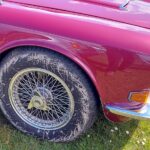
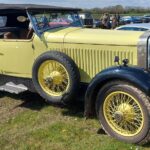
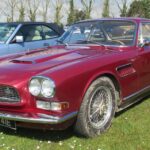
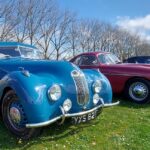
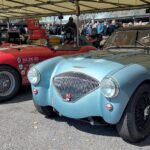
It wasn’t just Porsche Parking that got cancelled – MM80 was going to take a leaf from the Revival and have a parking area for visitors to display their classics, but this too was a victim of the conditions. It didn’t stop everyone from bringing their classic – parking at the top of the Lavant Straight was still usable and some braver souls than I had risked muddying their precious classics; my favourite was the gorgeous 1967 Maserati Sebring, but a smart duo of Bristols – a blue 1947 2-litre 400 and a red 1954 404 2-door coupé, as well as a beautiful yellow Hispano Suiza also caught the eye.
After watching the Gurney Cup, we had one final wander around the paddocks and parking areas before deciding to head home after a splendid day – even the previously fickle weather stayed kind. I picked up my 911 at 5.30 and reversed it into my garage at a little before 8pm, after a long but rewarding day. I’m looking forward now to the Revival in September!
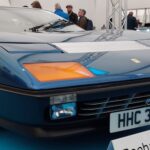
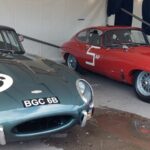
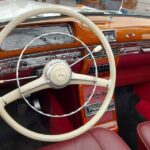
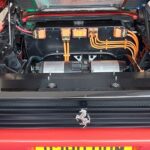
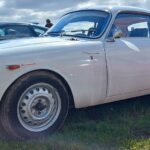
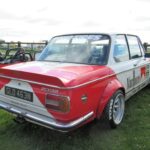
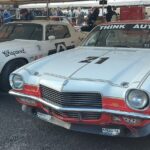
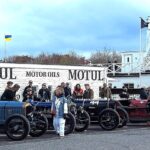
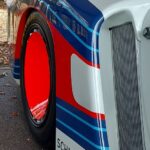
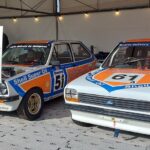
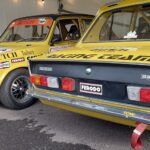
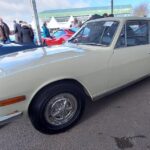
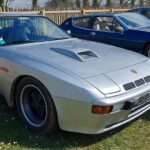
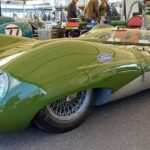
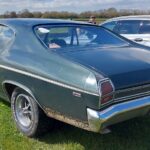
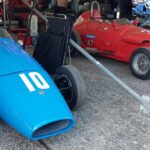
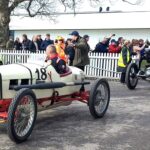
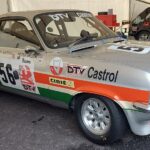
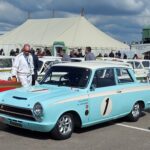
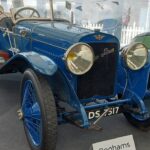
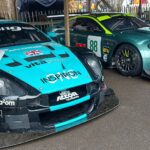
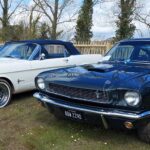
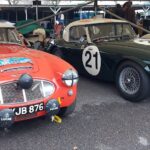
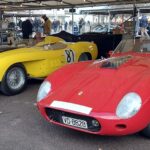
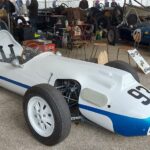
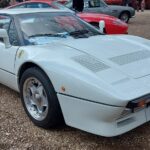
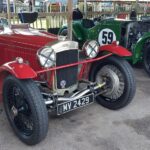
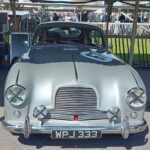
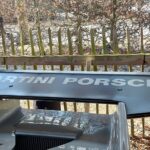
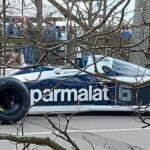
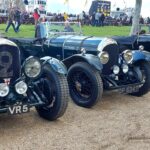
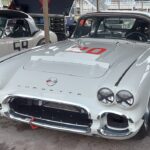
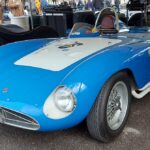
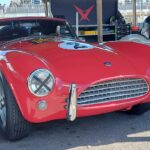
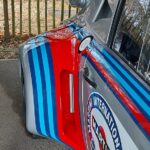
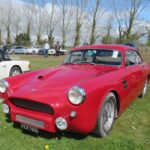
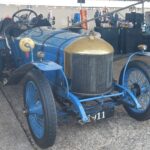
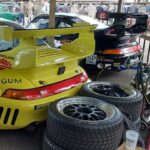
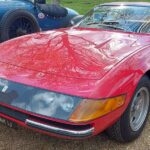
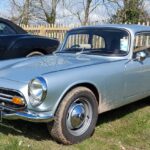
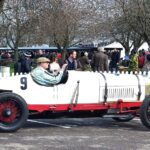
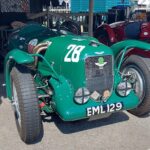
Meanwhile I hope that the photo gallery below will give you a feeling what a special place and event the Members’ Meeting at Goodwood is.
Thanks for the report, @tony – it was the same weekend as Techno Classica in Essen, so sadly I could not be in England too.
There are some streaming video to be found here, if anyone would like to see some moving pictures and hear the engine screams as well:
Saturday: https://www.youtube.com/watch?v=ZswPrIvITIM
Sunday: https://www.youtube.com/watch?v=3MygtPuVYcc
What an epic min of cars. Nothing beats Goodwood, (except for the weather)…
Mix of cars 😵💫
At least the Goodwood Revival Meeting in September is warmer, @soren-w.
More video of dramatic highlights here: https://youtu.be/EL2jk__vCyc
Tony with your name would it be appropriate for you to get a Warwick GT as in your pictures
@Niels V – how do you recognize it as a Warwick and not a Peerless?
@jewer, the Warwick has a front clamshell-type bonnet and the Peerless a traditional seperate bonnet lid. So the red one is Tony’s photos is actually a Peerless.
@ce – hehe – that’s exactly what I thought:>)
Yes, that is a red Peerless in the photo! They were built in Slough, not far from where I used to live, and Warwick was the revived version, built only a few miles further down the road in Colnbrook.
@nielsV – when I worked for British Leyland back in the early 1980’s, my then boss actually suggested that, as I was working for a British company, I should change my Ukrainian surname to Warwick to make me more British. Of course, I refused.
Yes the story with Peerless and Warwick, is bit like the one of the many different companies behind TVR, one pick up where the other left off